
Generative Engine Optimization
Company in Bangalore
Optimize Your Brand for AI-Driven Search & Answer Engines
Get a Free GEO Audit
Most businesses don’t need “more SEO.” They need visibility with the right people. That’s where Laukika Consultancy Solutions comes in.
Based in Bangalore, the team focuses on building search strategies that move the needle, helping businesses get discovered by the audiences that matter and turning organic traffic into real growth.
- 5+ Years Experience
- 50+ Businesses Optimized
- AI-First SEO Framework
The Shift from Traditional SEO to GEO Search
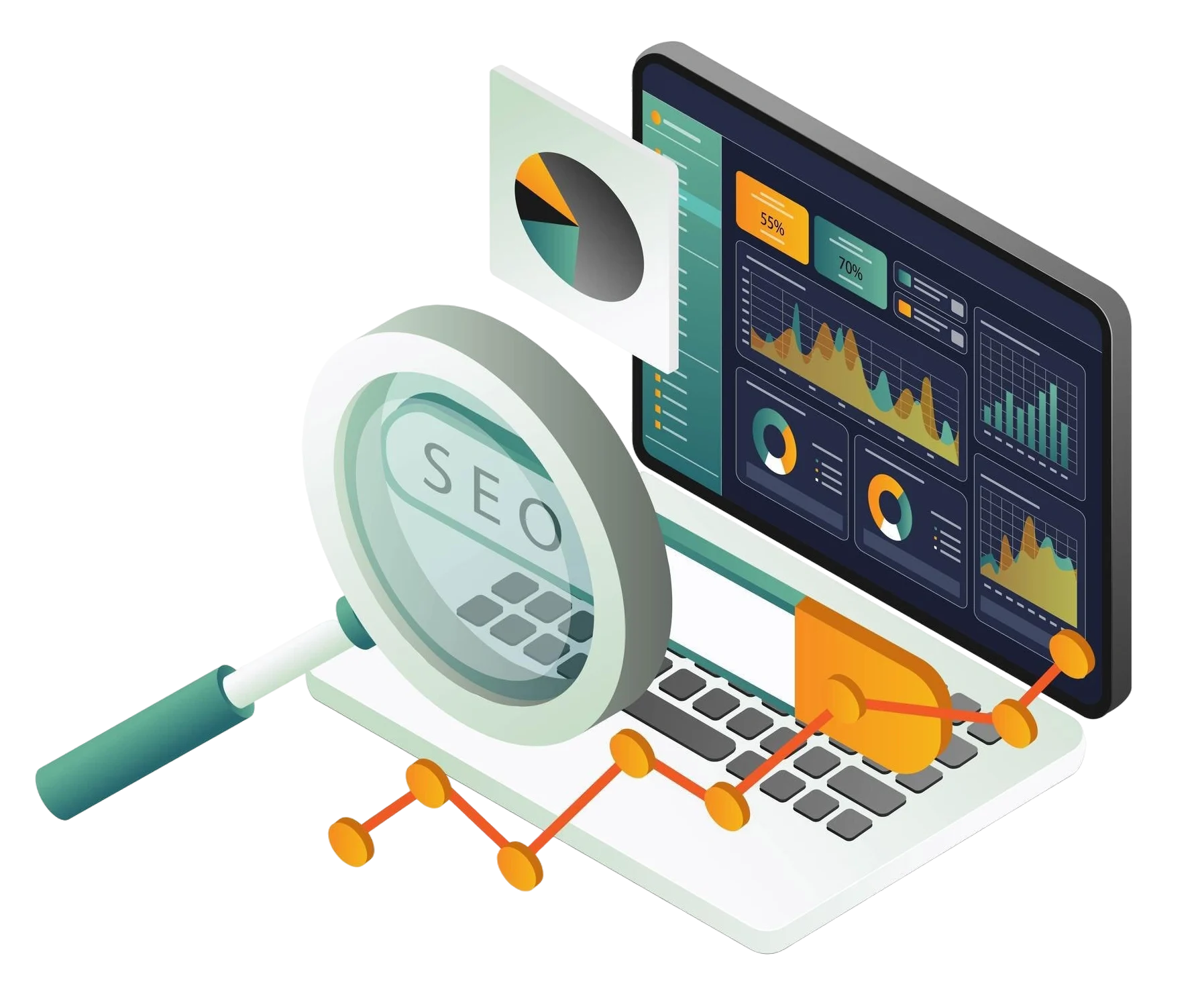
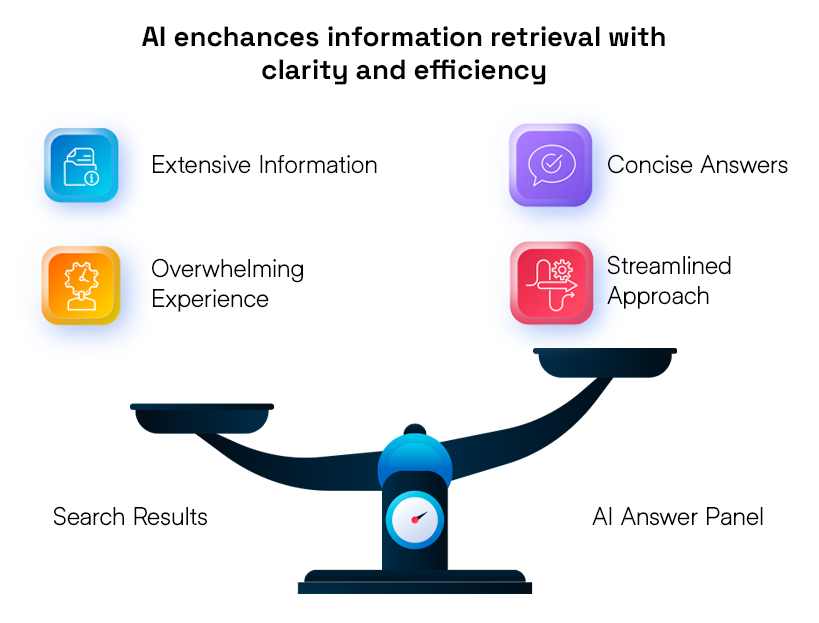
Search is evolving faster than many expect; search engines are no longer just listing links. They answer questions, summarize, recommend, and cite brands directly inside response panels. In this environment, ranking #1 on a traditional results page doesn’t guarantee visibility inside AI-generated answers. Traditional SEO focuses more on keywords and backlinks. Generative search focuses on entity authority, semantic relevance, and structured data signals that AI models trust.
If your business is not optimized for AI interpretation, it risks being excluded from AI-generated answers altogether.
What is Generative Engine Optimization (GEO)?
Unlike conventional SEO, GEO prioritizes entity authority, structured content frameworks, semantic relationships, and machine-readable schema. It ensures your website and brand signals are crawlable, contextually clear, and aligned with how generative AI models interpret data.
GEO improves your visibility across AI search engines, answer engines, and generative platforms like Google AI Overviews and ChatGPT, where answers are synthesized instead of linked. It aligns your digital presence with evolving AI systems such as Google’s AI-powered search experiences and conversational engines.
Traditional SEO vs GEO
Traditional SEO
- Focus on keyword rankings
- Link building heavy
- SERP visibility
- Page-level optimization
- Click-based traffic
Generative Engine Optimization (GEO)
- Focus on AI answer inclusion
- Entity & authority reinforcement
- AI citation visibility
- Semantic architecture optimization
- AI recommendation presence
Why Brands in Bangalore Must Adopt Generative Engine Optimization Early
In a city as tech-driven as Bangalore, search behavior is already shifting toward AI-generated answers. As tools like ChatGPT, Gemini, and Perplexity AI increasingly summarize information instead of showing long lists of search results, brands need to adapt early.
Generative Engine Optimization (GEO) helps ensure your business is referenced and cited within these AI responses, allowing you to reach users at the exact moment they’re looking for answers. Companies that adopt GEO early are already seeing significantly stronger visibility and, in many cases, up to three times more organic traffic compared to those relying only on traditional SEO.
Our Generative Engine Optimization Services In Bangalore
GEO Audit & AI Visibility Assessment
GEO audit tracks how frequently AI references, suggests, or summarizes a brand in answer to user queries. Benefit: A GEO audit helps ensure your brand appears within AI-generated responses, maintaining visibility even as traditional click-through traffic declines.
Entity & Knowledge Graph Optimization
Entity optimization and Knowledge Graph Optimization (KGO) are focused on the organization of content around real-world "entities," such as people, locations, or brands, and the relationships between them. This is intended to help the search engines and AI systems understand the context rather than just the "keywords."
Benefit: Optimizing for entities will help the chances of a Google Knowledge Panel appearing a box on the search results that helps brand recognition
AI-Optimized Content Structuring
AI-optimized content structuring means organizing content in a way that both people and AI systems can easily understand. This includes using clear headings, bullet points, logical flow, and structured data like schema markup, so AI-driven search engines can quickly interpret and surface the information. Benefit: AI-Friendly Indexing: Structured content helps AI models and search engines like Google quickly interpret the content, leading to higher rankings.
Schema & Structured Data Engineering
Schema and structured data engineering, is a crucial technical SEO step bridges the gap between human-understandable content and computer interpretation, This crucial technical SEO step bridges the gap between human-understandable content and computer interpretation, leading to improved search engine understanding, enhanced visibility, and higher user engagement.
Benefit: Structured data enables "rich results," which are visually appealing enhancements to standard search listings. These include star ratings, product prices, stock availability, recipe times, and event details.
AI Citation & Authority Building
To become a recommended, validated, and cited reference in LLM-driven search results (such as ChatGPT, Gemini, and Perplexity), AI citation and authority building entails obtaining mentions and links from high-trust, authoritative sources. Developing cross-factual and updated content is an important tactic.
Benefit: When AI models such as ChatGPT or Gemini reference your brand in their responses, it signals credibility and positions your business as a trusted source for users’ questions.
AI Search Monitoring & Reporting
To maximize visibility, AI search monitoring and reporting keep track of how rivals, brands, and content show up in LLM-powered search (ChatGPT, Gemini, Perplexity, and Bing). To enhance generative engine optimization (GEO) and guarantee proper brand representation, these technologies track mentions, citations, sentiment, and share of voice.
Benefit: Discover where competitors are recommended instead of your brand, identifying content opportunities that directly target high-value AI prompts.
7-Stage Generative Engine Optimization Framework by Laukika Consultancy Solution
AI Discovery & Brand Signal Audit
AI Discovery & Brand Signal Audit is a structured analysis. It assesses a brand’s appearance, performance, and citations across various AI platforms. These include large language models (LLMs) like ChatGPT, Claude, and Gemini and AI-powered answer engines.
Semantic Content Architecture
Generative Content Engineering
A specialized approach that blends AI, data, and content strategy to design content that machines can easily interpret and use. Unlike traditional writing focused only on readability, this step ensures content is structured for AI ingestion within a modern GEO process.
Schema & Entity Reinforcement
AI Performance Monitoring & Iteration
Conversational Query & Answer Engine Optimization
AI Citation & Authority Amplification
AI citation and authority amplification is the process of optimizing content to be cited as a trusted and expert source by LLMs and AI search engines like Perplexity or ChatGPT. Techniques include the production of high-quality, original, and recent content and consistent and accurate brand mentions across the web to increase the visibility of the content in AI overview results.
Together, this generative engine optimization framework forms a complete AI SEO strategy designed to improve discoverability, strengthen authority, and secure long-term visibility in AI-driven search ecosystems.
6 Key Benefits of Generative Engine Optimization (GEO)
- Increased AI Visibility
- Improved Answer Engine Ranking
- Stronger Digital Entity Authority
- Higher Trust Signals
- Better Voice Search Presence
- Competitive Edge in AI Search

Top Industries Benefiting from Generative Engine Optimization in Bangalore
SaaS & Tech
Real Estate
The discovery of properties is also being driven by AI search and chat-based queries. GEO assists real estate companies in organizing location data, information, and signals related to entities in a way that AI systems can effectively present properties, developers, and location-based suggestions.
Startups
Early-stage companies often struggle to compete with established brands in traditional search. Generative Engine Optimization allows startups to build digital authority faster by structuring their content, entities, and brand signals so AI systems recognize and cite them as credible sources in relevant discussions and recommendations
Real Results from AI Visibility Optimization
Client:
A mid-market project management software provider.The Challenge:
Despite ranking on Page 1 of Google for “best project management tools,” the brand was completely invisible in ChatGPT and Perplexity recommendations. Competitors with lower domain authority were cited because their content was better structured for LLM (Large Language Model) ingestion.The Strategy: AI-First Restructuring
The team shifted from keyword stuffing to entity-based optimization. They treated their website as a “knowledge base” for AI rather than just a collection of blogs.
-
Structured Visibility:
Implemented advanced schema markup and used entity linking to connect their brand to known industry terms in the Google Knowledge Graph. -
Answer-First Content:
Rewrote the first 100 words of every high-intent page to provide a direct, “snippet-ready” definition of the tool’s utility. -
Fact-Density & Citations:
Added “Evidence Sections” to articles’ bulleted lists of verified statistics, integrations count, and third-party awards designed specifically for AI agents to “extract.”
The Real Results (90-Day Impact)
By optimizing “machine readability,” the client saw a massive shift in how AI platforms perceived and recommended their brand.
|
Metric |
Before Optimization |
After Optimization |
Change |
|---|---|---|---|
|
AI Platform Mentions |
2 mentions / month |
14 mentions / month |
+600% |
|
AIO Visibility |
5% of target queries |
48% of target queries |
+860% |
|
Perplexity Citations |
Rarely cited |
Top 3 sources for "SaaS tools" |
Significant |
|
Organic Ranking |
Avg. Position: 8.4 |
Avg. Position 3.1 |
+5.3 spots |
The Real Results (90-Day Impact)
The improvement wasn’t just about traffic; it was about trust.
-
Ranking Enhancement:
Google’s “Useful Content” algorithms now mirror AI summarization logic. By optimizing the site for AI readability and structured information, the brand also improved its compatibility with Google’s traditional search algorithms, leading to a noticeable increase in organic rankings. -
Structured Victory:
The page with a well-implemented FAQ schema was the only one to appear in Google’s AI Overviews for the query “How much does a marketing team cost?”—outperforming higher-authority competitors who lacked structured data. -
Conversion Lift:
Traffic referred by AI platforms such as ChatGPT and Perplexity converted at a 25x higher rate than traditional search traffic because the AI had already effectively “pre-vetted” the brand for the user.
We stopped writing for the algorithm and started writing for the ‘Answer.’ Once the AI could easily quote us, the rankings followed naturally. – Lead Strategist
FAQs on Generative Engine Optimization
What is Generative Engine Optimization (GEO)?
How is GEO different from traditional SEO?
Traditional SEO focuses on ranking web pages. GEO focuses on being cited, referenced, and recommended by AI for answer engines, which are systems that provide direct answers to user queries rather than just links to web pages.
